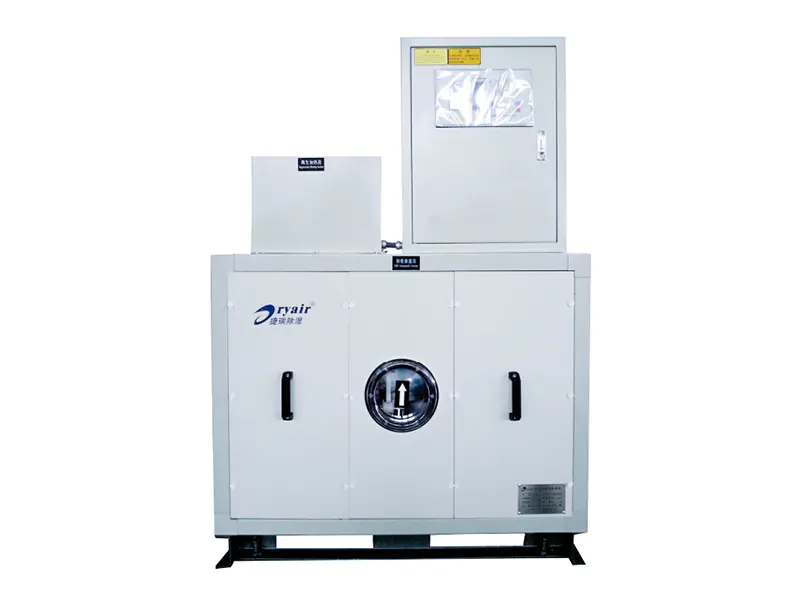
The lithium battery industry is evolving at an unprecedented pace, with electric vehicles, renewable energy storage, and portable electronics driving increasing demand. At the heart of this evolution are lithium battery dry room providers, crucial for ensuring high-quality, safe, and long-lasting batteries. As we approach 2026, several trends are shaping how these providers operate, innovate, and meet the growing market needs.
Increasing Demand for Advanced Dry Room Solutions
With lithium-ion batteries becoming more sophisticated, the need for precise environmental control has never been higher. Lithium battery dry room providers are responding by offering state-of-the-art systems that maintain extremely low humidity levels, typically below 1% RH, and temperature stability. This is critical because moisture can lead to battery defects, reduced lifespan, and safety hazards. Providers are integrating automated monitoring and control systems to ensure consistent conditions, minimizing human error and improving production efficiency.
Integration of Smart Technology and Automation
Smart technology is transforming lithium battery dry room providers. Automation and IoT-enabled devices now allow real-time monitoring of temperature, humidity, and airflow. Predictive maintenance systems are being deployed to detect potential equipment failures before they occur, reducing downtime and production losses. For manufacturers, this means enhanced operational efficiency and improved product quality. These advancements are making dry rooms more than just controlled environments—they are evolving into intelligent, data-driven production hubs.
Sustainability and Energy Efficiency
As environmental regulations tighten globally, lithium battery dry room providers are prioritizing energy efficiency and sustainable operations. Advanced air handling units, energy recovery systems, and low-energy dehumidification technologies are becoming standard. Providers are designing dry rooms that consume less electricity while maintaining stringent environmental standards. This shift not only reduces operational costs but also aligns with the sustainability goals of battery manufacturers, particularly those in the EV and renewable energy sectors.
Modular and Scalable Designs
Flexibility in production is increasingly important. Lithium battery dry room providers are adopting modular and scalable designs to accommodate fluctuating production volumes. Modular dry rooms allow manufacturers to expand or reconfigure their facilities quickly without major construction projects. This is particularly useful for companies entering new markets or ramping up production to meet spikes in demand. Scalability ensures that manufacturers can maintain consistent quality across different facility sizes and production capacities.
Focus on Safety and Regulatory Compliance
Safety remains a top priority for lithium battery production, and dry room providers are enhancing protocols to meet stringent industry standards. Providers now offer comprehensive solutions that comply with international safety regulations, including fire suppression systems, explosion-proof equipment, and emergency response mechanisms. Regulatory compliance not only protects workers and assets but also assures customers that the batteries produced meet the highest quality standards.
Customized Solutions for Specialized Applications
The diversity of lithium battery applications—ranging from consumer electronics to large-scale grid storage—requires tailored dry room solutions. Lithium battery dry room providers are increasingly offering customized designs that cater to specific battery chemistries, sizes, and production methods. By working closely with manufacturers, providers can create environments that optimize production efficiency, minimize defects, and support innovative battery designs. This trend underscores the growing importance of collaboration between dry room providers and battery manufacturers.
Expansion into Emerging Markets
As the adoption of electric vehicles and energy storage solutions accelerates globally, lithium battery dry room providers are expanding into emerging markets. Countries in Asia, Africa, and South America are seeing increased investments in battery manufacturing facilities. Providers are establishing local support networks and supply chains to serve these markets efficiently, offering both equipment and technical expertise. This global expansion helps manufacturers reduce lead times and access timely service and maintenance.
Advanced Materials and Construction Techniques
Innovation in materials and construction techniques is shaping the next generation of dry rooms. Lithium battery dry room providers are using corrosion-resistant materials, improved insulation, and modular panels that allow for faster installation and enhanced durability. Advanced filtration systems ensure that particulate contamination is minimized, which is essential for producing high-performance lithium batteries. These improvements help manufacturers maintain consistent quality while reducing long-term maintenance costs.
Enhanced Data Analytics and Process Optimization
Data-driven decision-making is becoming integral to battery production. Lithium battery dry room providers are equipping facilities with sensors and analytics platforms that monitor environmental parameters, track production performance, and identify potential process bottlenecks. By leveraging this data, manufacturers can optimize production workflows, improve quality control, and reduce waste. This trend highlights the shift toward smarter, more efficient manufacturing processes.
Collaboration with Battery Manufacturers for Innovation
Finally, collaboration between lithium battery dry room providers and battery manufacturers is fueling innovation. Providers are no longer just equipment suppliers—they are strategic partners helping manufacturers design, scale, and optimize production processes. Joint research and development initiatives focus on creating dry room environments that support next-generation batteries, including solid-state and high-capacity lithium-ion cells. This collaborative approach ensures that providers remain at the forefront of technological advancements.
Conclusion
The landscape of lithium battery dry room providers is evolving rapidly, driven by technological advancements, market demand, and regulatory requirements. In 2026, manufacturers can expect solutions that are smarter, more energy-efficient, scalable, and customized to specific applications. Providers are embracing automation, data analytics, and sustainable design while expanding into emerging markets and prioritizing safety and compliance. By staying ahead of these trends, lithium battery dry room providers are playing a crucial role in the growth of the global battery industry, ensuring high-quality, reliable, and safe energy storage solutions.
The coming years promise exciting opportunities for both providers and manufacturers as they work together to meet the rising demand for advanced lithium batteries. For any company looking to invest in battery production, understanding these trends and choosing the right lithium batte