Traveling through the Sichuan-Tibet region is a journey unlike any other. The combination of dramatic landscapes, ancient culture, and spiritual experiences makes it one of the most sought-after travel routes in the world. For travelers seeking adventure, natural beauty, and cultural immersion, the Sichuan-Tibet route itinerary offers a perfect blend of all these elements.
Starting Your Journey: Chengdu – The Gateway to Tibet
Chengdu, the capital of Sichuan Province, is the starting point for most travelers on the Sichuan-Tibet route itinerary. Known for its leisurely lifestyle, delicious cuisine, and adorable giant pandas, Chengdu provides a gentle introduction before the adventure begins.
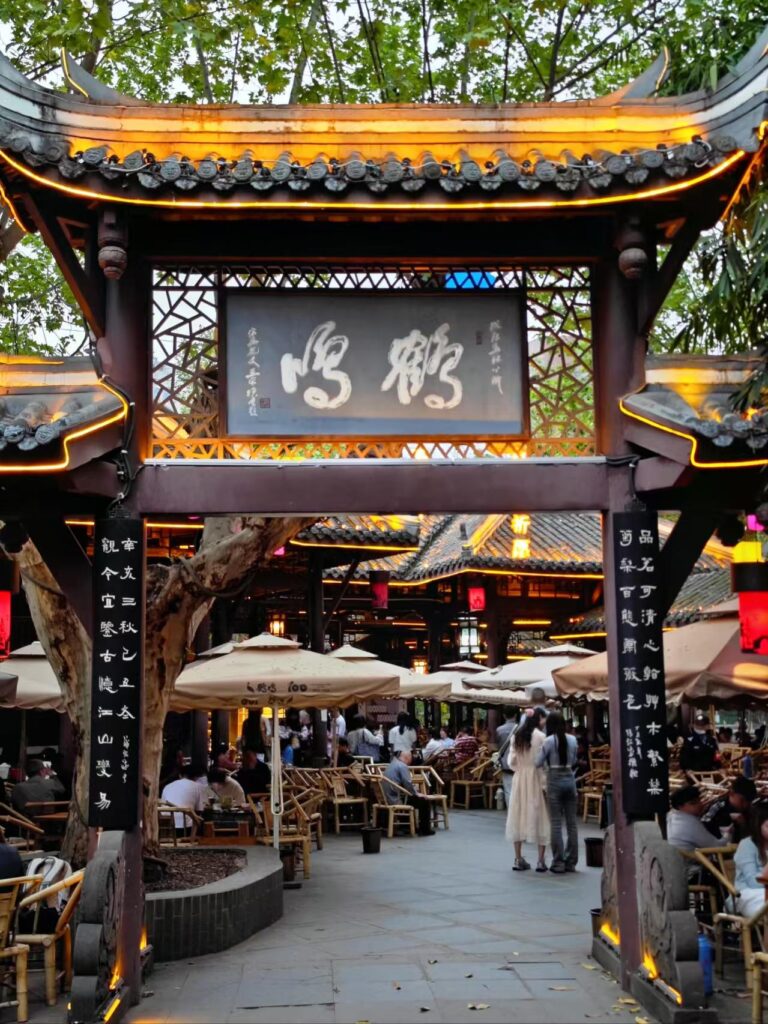
Spend a day exploring the Chengdu Research Base of Giant Panda Breeding to see these iconic animals in their natural habitat. Don’t miss wandering around Jinli Ancient Street, where traditional architecture, local handicrafts, and Sichuanese snacks create an authentic cultural experience. Chengdu’s vibrant food scene, especially hotpot, prepares travelers for the unique flavors they will encounter throughout the route.
Driving Through the Heart of Sichuan: Scenic Landscapes and Tibetan Culture
From Chengdu, travelers begin the scenic drive along the Sichuan-Tibet route itinerary. The road winds through mountains, rivers, and valleys, gradually introducing the Tibetan plateau’s breathtaking landscapes. One of the highlights along this journey is the ancient town of Kangding.
Kangding is where Tibetan culture starts to shine through. Known for its traditional architecture and bustling local markets, it’s an ideal place to experience Tibetan customs and cuisine. The nearby Tagong Grasslands offer a glimpse into traditional nomadic life. Visitors can watch Tibetan herders manage their yaks and horses while enjoying panoramic views of the rolling hills.
Exploring Litang and the High Altitude Experience
Continuing along the Sichuan-Tibet route itinerary, travelers reach Litang, one of the highest towns in the world at over 4,000 meters above sea level. Litang is famous for its annual horse festival, Tibetan monasteries, and pristine landscapes.
Adjusting to the high altitude is essential for travelers, and spending a day in Litang allows the body to acclimatize. Visit the Litang Monastery to witness Tibetan Buddhist rituals and soak in the spiritual atmosphere. The surrounding grasslands are perfect for trekking, photography, and connecting with nature.
Crossing the Mountains: Daocheng and Shangri-La
The journey along the Sichuan-Tibet route itinerary becomes even more spectacular when reaching Daocheng and the nearby Yading Nature Reserve. Daocheng is known as the “last Shangri-La” and is a treasure trove of snow-capped peaks, turquoise lakes, and untouched natural beauty.
Yading Nature Reserve is a must-visit destination for those seeking awe-inspiring scenery. The reserve is home to sacred mountains, glacial lakes, and diverse wildlife. Trekkers can embark on day hikes to Milk Lake and Five Color Lake, witnessing landscapes that seem almost otherworldly.
Shangri-La, further along the route, is another cultural and spiritual hub. This Tibetan town blends monasteries, old town streets, and traditional Tibetan culture. Walking through Dukezong Ancient Town, travelers experience narrow cobblestone streets lined with prayer wheels and traditional Tibetan houses.
The Road to Lhasa: Heart of Tibetan Culture
As travelers progress on the Sichuan-Tibet route itinerary, the final stretch leads to Lhasa, the capital of Tibet and the spiritual heart of the region. Lhasa is home to the iconic Potala Palace, Jokhang Temple, and bustling Barkhor Street. Each of these sites offers a deep dive into Tibetan history, religion, and daily life.
Potala Palace, with its majestic white and red walls, symbolizes Tibetan Buddhism and royal history. Visitors can explore its halls, chapels, and murals while learning about the Dalai Lama’s former residence. Jokhang Temple, considered the most sacred site in Tibet, attracts pilgrims from across the plateau, offering travelers a unique opportunity to witness devout religious practices.
Experiencing Tibetan Culture Along the Route
One of the highlights of the Sichuan-Tibet route itinerary is the immersion into Tibetan culture. From local festivals and markets to traditional music and dance, travelers encounter Tibetan life at every stop. Enjoying Tibetan butter tea, tasting yak meat dishes, and observing traditional handicrafts provide a complete cultural experience.
Local monasteries along the route are also central to understanding Tibetan culture. They serve not only as places of worship but also as centers for art, education, and community gatherings. Participating in or observing religious ceremonies allows travelers to connect with Tibet’s spiritual essence.
Scenic Stops and Photography Opportunities
The Sichuan-Tibet route itinerary is a paradise for photographers and nature enthusiasts. Dramatic mountain passes, deep valleys, pristine lakes, and vast grasslands offer countless opportunities to capture stunning visuals. Early morning drives reveal mist-covered peaks, while sunsets on the plateau create a magical atmosphere.
Notable scenic stops include the Siguniang Mountains, the Meili Snow Mountains, and the numerous high-altitude lakes dotted along the way. Each location offers a unique perspective of the region’s diverse landscapes, making the journey as rewarding visually as it is culturally.
Practical Tips for Travelers
Traveling along the Sichuan-Tibet route itinerary requires preparation. High-altitude travel means acclimatization is essential to avoid altitude sickness. Carrying warm clothing is crucial, as temperatures can drop significantly, especially at night.
Road conditions vary, so hiring experienced drivers familiar with the terrain is recommended. Additionally, permits are required for foreign travelers entering Tibet, and these should be arranged in advance through a registered travel agency.
Respecting local customs and traditions is vital. Tibetan culture is deeply spiritual, and visitors should behave respectfully in monasteries and when photographing people. Interacting with locals and learning about their way of life enhances the travel experience significantly.
Conclusion: A Journey of a Lifetime
The Sichuan-Tibet route itinerary is more than just a road trip—it’s an exploration of nature, culture, and spirituality. From the bustling streets of Chengdu to the serene highlands of Tibet, every step of the journey offers unforgettable experiences. Travelers not only witness breathtaking landscapes but also gain insight into one of the most fascinating cultures in the world.
For adventurers, photographers, and cultural enthusiasts, following the Sichuan-Tibet route itinerary is a chance to create memories that last a lifetime. Whether marveling at snow-capped peaks, wandering through ancient towns, or immersing in Tibetan spiritual life, this route promises an extraordinary journey that touches the soul and ignites the spirit of exploration.