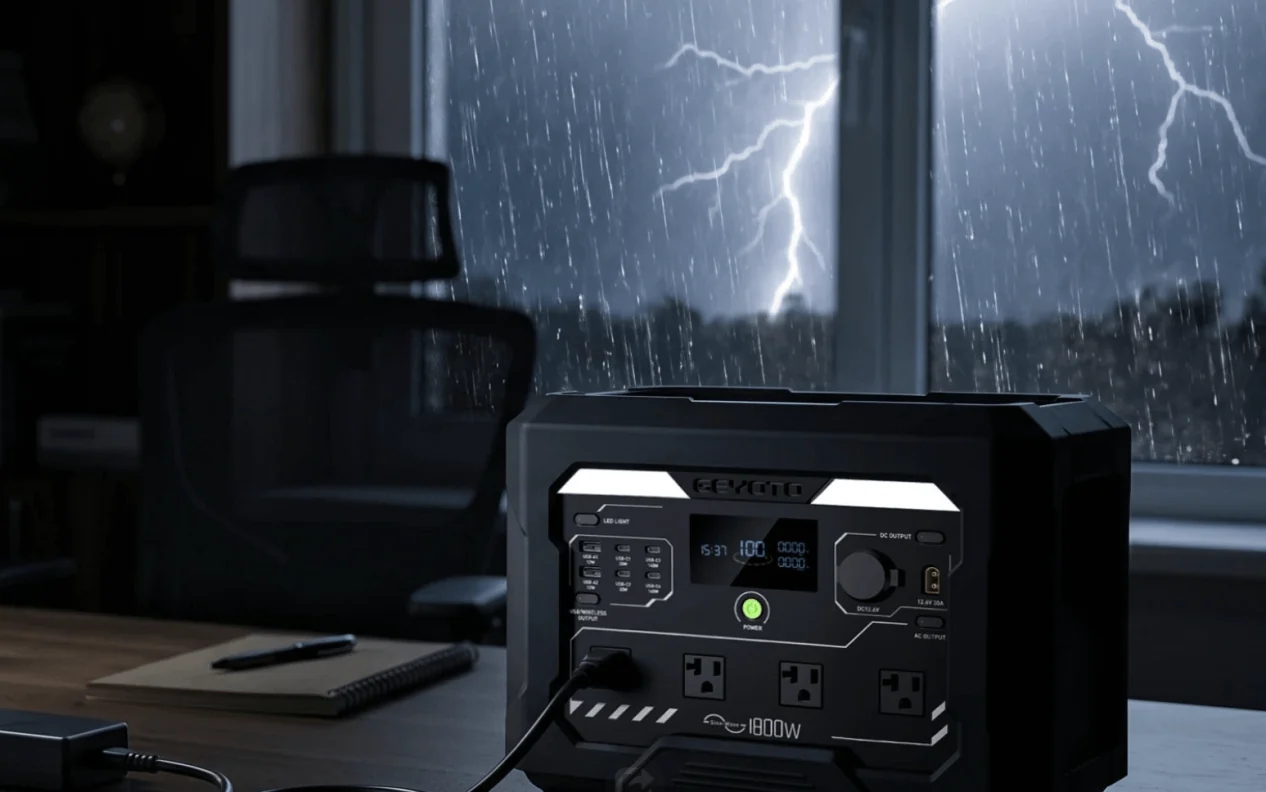
Power outages can happen unexpectedly due to severe weather, grid failures, equipment problems, or emergency situations. Having a dependable backup energy solution has become essential for modern households that rely on electricity for communication, appliances, work, and daily comfort. A GEYOTO home backup power station guide helps homeowners understand how portable power solutions can provide reliable electricity during unexpected outages and how to choose the right system according to their needs.
A home backup power station is designed to store electrical energy and deliver power when the main electricity supply is unavailable. Unlike traditional fuel-powered generators, modern power stations offer cleaner operation, quieter performance, and easier maintenance. They can support essential devices such as refrigerators, lights, Wi-Fi routers, medical equipment, laptops, and other household electronics.
Understanding Home Backup Power Stations
A backup power station is a rechargeable energy storage device that contains a high-capacity battery and multiple output ports. It can be charged through a standard wall outlet, solar panels, or other compatible charging methods. When a power outage occurs, the stored energy can be used to operate important household devices.
The main advantage of a portable power station is flexibility. Homeowners can move the unit between rooms, take it outdoors, or use it during camping and travel. A well-designed system provides emergency electricity without the noise, fumes, and complicated setup associated with traditional generators.
The GEYOTO home backup power station guide explains that selecting the right capacity, output power, charging options, and safety features is important for creating an effective home energy backup plan.
Why a Home Backup Power Station Is Important
Electricity has become a necessity rather than a luxury. Many household systems depend on continuous power, including refrigeration, internet connections, security cameras, heating and cooling equipment, and communication devices. Even short outages can create inconvenience, food waste, and safety concerns.
A reliable backup power station provides several benefits:
- Keeps essential appliances running during blackouts
- Supports emergency communication devices
- Provides power during storms and natural disasters
- Reduces dependence on fuel-based generators
- Offers a renewable charging option when paired with solar panels
- Provides portable electricity for outdoor activities
For families living in areas where power interruptions are common, investing in a quality backup energy solution can improve preparedness and peace of mind.
Key Features to Consider When Choosing a Backup Power Station
Choosing the right power station requires understanding several technical features. The first factor is battery capacity, usually measured in watt-hours (Wh). A higher capacity means the device can store more energy and operate appliances for longer periods.
For example, a small power station may be suitable for charging phones, tablets, and lights, while a larger unit can support refrigerators, televisions, and other higher-power devices. Homeowners should calculate their energy requirements before purchasing a backup system.
Another important feature is output wattage. The power station must provide enough power to handle the devices connected to it. Some appliances require additional starting power, so checking surge capacity is necessary.
Charging speed is also important. A fast-charging system reduces downtime and ensures the power station is ready when needed. Solar compatibility is another valuable feature because it allows users to recharge the unit using renewable energy during extended emergencies.
How GEYOTO Home Backup Power Solutions Work
A GEYOTO home backup power station guide focuses on efficient energy management and practical home use. GEYOTO-style power solutions are designed to store electricity and provide a convenient source of backup power whenever the grid becomes unavailable.
The process is simple. First, the power station is charged using a preferred energy source, such as an electrical outlet or solar panel. The stored energy remains available until it is needed. During an outage, users connect their essential devices to the available output ports and continue normal activities.
Many modern power stations include intelligent battery management systems that help protect against overheating, overcharging, and short circuits. These safety technologies improve reliability and extend battery life.
Using Solar Energy With a Backup Power Station
Solar charging has become an increasingly popular option for emergency energy solutions. By connecting compatible solar panels, homeowners can recharge their power station using sunlight. This is especially useful during long-lasting outages when traditional electricity sources may not be available.
A solar-powered backup setup can provide greater independence and reduce energy costs over time. It is also an environmentally friendly alternative because it uses renewable energy instead of gasoline or diesel fuel.
When selecting solar panels for a backup system, users should consider panel efficiency, charging speed, portability, and compatibility with their power station.
Preparing Your Home for Power Outages
A good emergency power plan involves more than purchasing a backup device. Homeowners should identify which appliances are most important during an outage and determine how much energy they require.
Essential items usually include:
- Refrigerators and freezers
- Emergency lighting
- Mobile phones and chargers
- Internet routers
- Medical devices
- Small kitchen appliances
Organizing these priorities helps ensure that available battery power is used efficiently. Keeping the power station fully charged and storing necessary cables and accessories in an accessible location can make emergency situations easier to manage.
Advantages of GEYOTO Portable Power Technology
Modern portable power stations provide several improvements over traditional backup options. They operate quietly, making them suitable for indoor use. They do not produce harmful emissions, which makes them safer for homes and enclosed spaces.
The compact design allows users to store and transport the equipment easily. Whether preparing for hurricanes, winter storms, camping trips, or unexpected outages, a portable power station offers a practical energy solution.
The GEYOTO home backup power station guide highlights the importance of choosing a system that matches personal energy needs rather than selecting a device based only on price. A reliable backup solution should balance capacity, durability, safety, and ease of use.
Maintenance Tips for Long-Term Performance
Proper maintenance helps extend the lifespan of any backup power system. Users should regularly check battery levels, keep the unit clean, and store it in a dry environment away from extreme temperatures.
It is also recommended to recharge the battery periodically even when the power station is not frequently used. Checking cables, connectors, and accessories ensures everything works correctly during emergencies.
Following manufacturer instructions and using compatible charging equipment can prevent damage and improve overall performance.
Final Thoughts on Choosing a Home Backup Power Station
A dependable backup energy system provides security and convenience when electricity is unavailable. With increasing weather challenges and growing dependence on electronic devices, having a reliable emergency power source is a smart investment for many households.
The GEYOTO home backup power station guide helps users understand the benefits of modern energy storage, from supporting essential appliances to offering renewable charging options. By evaluating power requirements, battery capacity, charging methods, and safety features, homeowners can select a backup power station that keeps their homes connected and functional during unexpected outages.