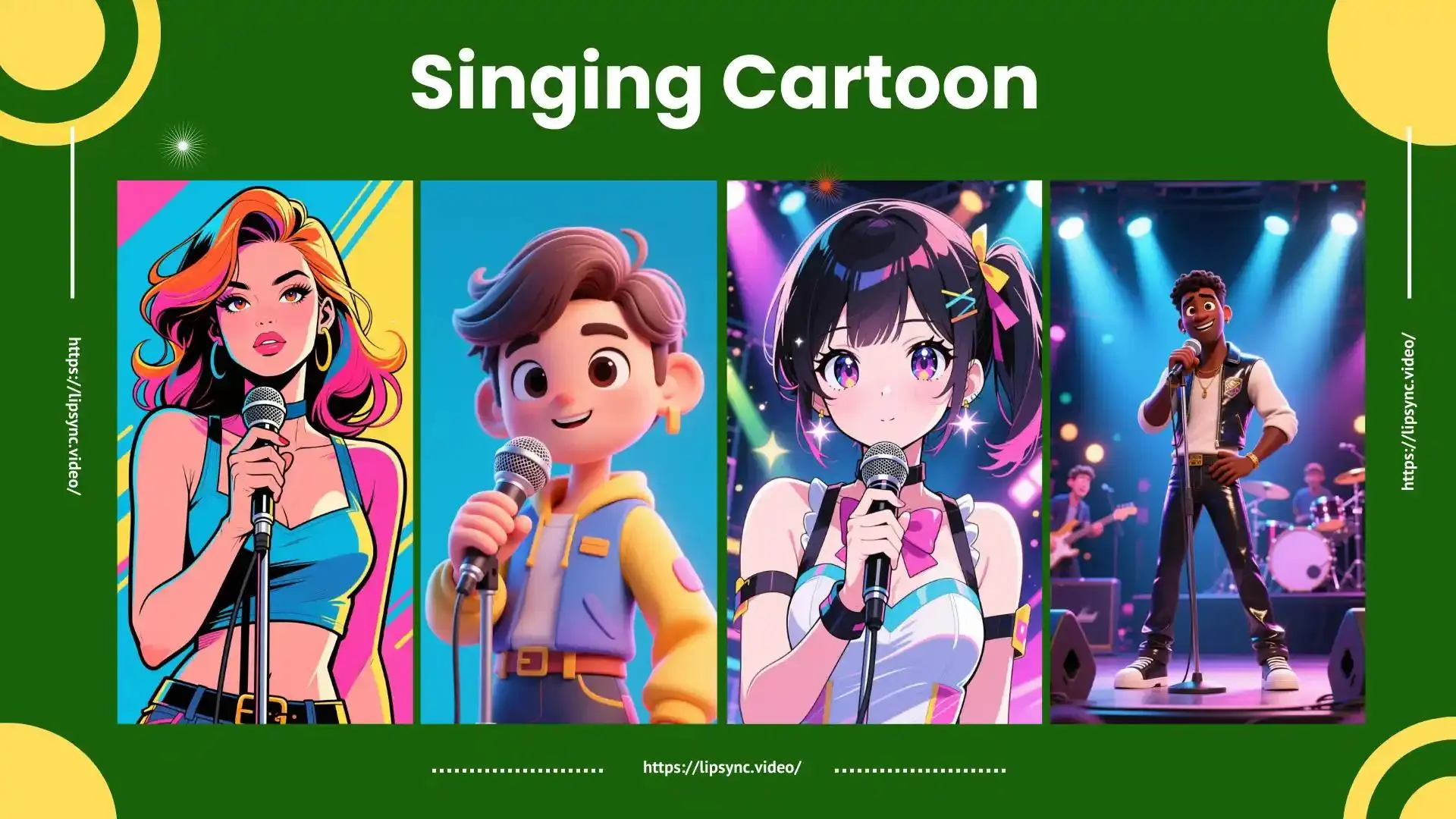
Animated productions with musical numbers face a casting challenge that doesn’t arise in dialogue-only productions. Singing and voice acting are related skills that don’t always coexist in the same talent. An actor with a perfect character voice may not be able to carry the song. A singer with the right vocal character may not have the acting instinct the character scenes require.
Traditional solutions — double casting, vocal training, or finding the unicorn performer with both skills — add casting complexity and cost to productions that are already managing significant production challenges.
AI singing voice generation addresses this gap specifically.
Does the Double Casting Problem Affect Animation Production Quality?
Productions that double-cast speaking and singing voices create a consistency challenge. The character’s speaking voice and singing voice need to feel like the same person. When they’re performed by different people, the acoustic mismatch is often audible — different resonance, different vowel shapes, different breath character.
The more skilled the production, the more carefully this mismatch gets managed through direction and post-processing. In indie animation with limited post-production resources, the mismatch shows.
The character who speaks in one voice and sings in a noticeably different one breaks the believability of the performance at the moments the production most needs it.
How Does an AI Song Generator Work for Animation?
An ai song generator with character-appropriate voice model options generates the singing performance for a character based on MIDI melodic input and the selected voice model.
The voice model can be chosen to match or complement the character’s speaking voice character. An animated character with a warm, mid-range speaking voice gets a singing voice generated from a model with compatible acoustic characteristics. The consistency that double casting often fails to achieve becomes a generation parameter.
Does an AI Vocal Generator Simplify Post-Production Revisions?
In animated production, the relationship between picture and sound is iterative. An edit change that affects the timing of a musical number requires the vocal to be re-recorded to the new timing. With human session talent, that means rebooking the session.
An ai vocal generator workflow generates the new timing immediately. The MIDI score is updated to match the new edit. The generation runs. The revised vocal is available within minutes of the picture lock change.
For productions with tight post-production schedules, the elimination of re-booking cycles is a meaningful workflow improvement.
Can AI Song Generators Handle Different Character Types?
Animated productions feature vocal characters across a wide range — heroes, villains, comic relief characters, children, elderly characters, ensemble members. A large voice model library covers this range without requiring separate casting for each character type.
One production workflow, one generation tool, and a range of voice model selections covers the full character roster. The casting session that would populate that range in a traditional production becomes a model selection exercise.
What Is the Production Workflow for Animated Musical Numbers Using AI?
Record dialogue scenes first. The speaking voice performance in adjacent scenes informs the vocal direction for the singing performance. Listen to the speaking performance and select a voice model that matches its acoustic character.
Write MIDI scores that serve the character. The singing performance should reflect how this character would sing, not how a generic AI voice sounds. Program expression data — dynamics, breath marks, slight timing variations — that gives the performance character-appropriate nuance.
Generate and review against picture. The singing vocal needs to feel right against the visual performance in the scene. Generate and evaluate in context, not in isolation.
Frequently Asked Questions
How does AI generate a singing voice?
An ai song generator with character-appropriate voice model options generates the singing performance for a character based on MIDI melodic input and the selected voice model. The voice model can be chosen to match or complement the character’s speaking voice character.
Are AI vocals legal?
An ai song generator with character-appropriate voice model options generates the singing performance for a character based on MIDI melodic input and the selected voice model. Does an AI Vocal Generator Simplify Post-Production Revisions?
What is the AI that can use my voice to sing a song?
An ai song generator with character-appropriate voice model options generates the singing performance for a character based on MIDI melodic input and the selected voice model. The voice model can be chosen to match or complement the character’s speaking voice character.
Can people tell if a song is AI-generated?
An ai song generator with character-appropriate voice model options generates the singing performance for a character based on MIDI melodic input and the selected voice model. An animated character with a warm, mid-range speaking voice gets a singing voice generated from a model with compatible acoustic characteristics.
What Is the Indie Animation Opportunity?
Indie animation has historically been limited in its musical ambition by the cost and complexity of vocal casting. AI singing voice generation removes that constraint. Musical numbers that would be financially inaccessible in traditional production become achievable — with consistent character voice, responsive revision capability, and no double-casting compromises.