H2 Introduction to Thermal Imaging in Electrical Systems
Electrical systems are the backbone of modern industries, powering everything from manufacturing plants to commercial buildings. However, undetected faults such as overheating components, loose connections, and overloaded circuits can lead to expensive failures, downtime, and even safety hazards. This is where a thermal lmaging camera electrical solution becomes essential. By detecting heat variations that are invisible to the naked eye, thermal imaging technology allows professionals to identify issues early and take corrective action before they escalate.
H2 Understanding How Thermal Imaging Works
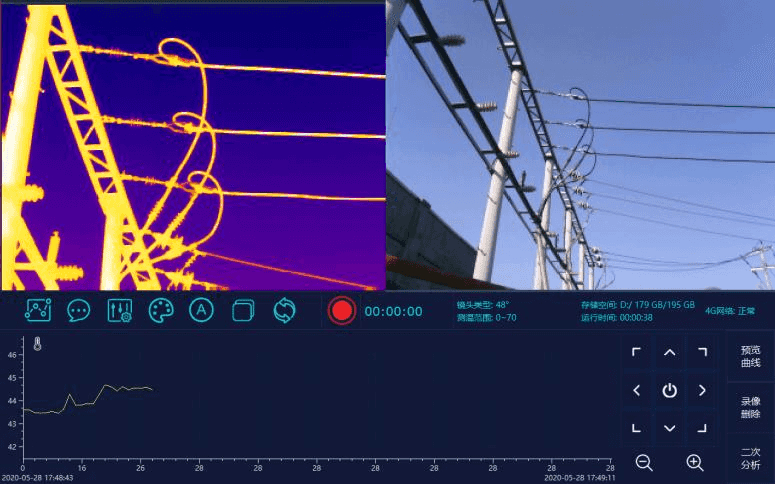
Thermal imaging cameras detect infrared radiation emitted by objects and convert it into a visual image that represents temperature differences. In an electrical system, abnormal heat is often the first sign of trouble. Components such as transformers, circuit breakers, and wiring connections generate heat when functioning, but excessive or uneven heat patterns indicate inefficiencies or faults.
A thermal lmaging camera electrical setup provides real-time insights into these temperature changes. Instead of relying on guesswork or waiting for visible damage, technicians can scan systems and pinpoint exactly where problems are developing. This non-contact method ensures both accuracy and safety during inspections.
H2 Common Electrical Problems Detected by Thermal Imaging
H3 Overloaded Circuits
One of the most common issues in electrical systems is circuit overloading. When too much current flows through a circuit, it generates excessive heat. A thermal lmaging camera electrical inspection can easily identify these hotspots, allowing engineers to redistribute loads or upgrade components before damage occurs.
H3 Loose or Corroded Connections
Loose connections increase electrical resistance, leading to localized heating. Over time, this can cause arcing, equipment damage, or even fires. Thermal imaging reveals these hidden issues quickly, making it easier to tighten or replace faulty connections.
H3 Imbalanced Loads
In three-phase systems, load imbalance can cause uneven heating across phases. This reduces efficiency and shortens equipment lifespan. Using a thermal lmaging camera electrical system, technicians can detect imbalances and correct them to maintain optimal performance.
H3 Failing Components
Components such as fuses, relays, and breakers can degrade over time. Before they fail completely, they often exhibit abnormal heat signatures. Thermal imaging allows for predictive maintenance by identifying these failing parts early.
H2 Preventing Costly Failures Through Early Detection
The biggest advantage of using a thermal lmaging camera electrical system is early detection. Electrical failures rarely happen suddenly; they develop over time. By identifying issues at an early stage, businesses can avoid costly repairs, production downtime, and safety incidents.
For example, a small hotspot in a switchgear panel may seem insignificant at first. However, if left unattended, it could lead to equipment failure or fire. Thermal imaging enables maintenance teams to address such issues immediately, reducing the risk of catastrophic outcomes.
H2 Enhancing Safety in the Workplace
Electrical faults are a major cause of workplace accidents. Overheated equipment can lead to fires, explosions, or electric shocks. A thermal lmaging camera electrical inspection helps mitigate these risks by providing a safe and efficient way to monitor systems.
Since thermal cameras do not require direct contact, technicians can inspect live systems without shutting them down. This reduces exposure to dangerous conditions while ensuring continuous operation. Guide Sensmart thermal imaging solutions are designed to deliver high accuracy and reliability, making them ideal for safety-focused inspections.
H2 Improving Maintenance Efficiency
H3 Predictive Maintenance
Traditional maintenance approaches often rely on scheduled inspections or reactive repairs. However, predictive maintenance uses data to anticipate failures before they occur. A thermal lmaging camera electrical system plays a key role in this approach by identifying early warning signs.
By integrating thermal imaging into routine inspections, companies can prioritize maintenance tasks based on actual conditions rather than assumptions. This reduces unnecessary repairs and extends the lifespan of equipment.
H3 Reduced Downtime
Unexpected downtime can be extremely costly, especially in industrial environments. Thermal imaging helps minimize disruptions by allowing maintenance teams to plan repairs during scheduled shutdowns. With a thermal lmaging camera electrical solution, issues can be addressed proactively instead of reacting to emergencies.
H3 Cost Savings
Preventing failures is always more cost-effective than repairing them. By detecting problems early, businesses can avoid expensive replacements, reduce energy waste, and improve overall efficiency. Investing in a reliable thermal imaging system from Guide Sensmart ensures long-term savings and operational stability.
H2 Applications Across Industries
The use of thermal lmaging camera electrical systems is not limited to one sector. It is widely applied across various industries, including:
Manufacturing: Monitoring machinery and electrical panels to prevent production delays
Commercial Buildings: Ensuring safe operation of HVAC systems and electrical networks
Energy Sector: Inspecting power lines, transformers, and substations
Data Centers: Preventing overheating in critical infrastructure
In each of these applications, thermal imaging provides valuable insights that help maintain reliability and performance.
H2 Why Choose Guide Sensmart for Thermal Imaging Solutions
When selecting a thermal lmaging camera electrical system, quality and reliability are crucial. Guide Sensmart offers advanced thermal imaging technology designed to meet the demands of modern electrical inspections. Their solutions provide high-resolution imaging, precise temperature measurement, and user-friendly interfaces, making them suitable for both professionals and beginners.
Guide Sensmart products are engineered to deliver consistent performance in challenging environments. Whether you are conducting routine maintenance or troubleshooting complex systems, their thermal imaging cameras provide the accuracy and durability needed to get the job done effectively.
H2 Best Practices for Using Thermal Imaging in Electrical Systems
H3 Regular Inspections
Conducting regular thermal inspections ensures that potential issues are identified early. Establishing a routine schedule helps maintain system health and prevents unexpected failures.
H3 Proper Training
To get the most out of a thermal lmaging camera electrical system, technicians should be properly trained. Understanding how to interpret thermal images is essential for accurate diagnosis and effective maintenance.
H3 Documentation and Analysis
Recording thermal data over time allows for trend analysis. By comparing past and present images, technicians can track changes and predict future issues more accurately.
H2 Conclusion
A thermal lmaging camera electrical system is a powerful tool for preventing costly failures in electrical systems. By detecting heat anomalies early, it enables proactive maintenance, enhances safety, and reduces downtime. From identifying overloaded circuits to spotting failing components, thermal imaging provides invaluable insights that traditional inspection methods cannot match.
With advanced solutions from Guide Sensmart, businesses can ensure reliable performance and long-term cost savings. Investing in thermal imaging technology is not just about preventing failures—it is about optimizing efficiency, protecting assets, and maintaining a safe working environment.