Introduction
Unexpected incidents can leave homes, businesses, and other properties requiring specialized cleaning and restoration. After a traumatic event, property owners may face crime scene cleaning service contamination, unpleasant odors, damaged materials, and concerns about health and safety. In these situations, a professional crime scene cleaning service provides the expertise, equipment, and procedures needed to restore affected spaces responsibly.
Unlike ordinary cleaning, crime scene cleanup involves addressing potential biological hazards and ensuring that affected areas are handled according to appropriate safety standards. Trained professionals understand the importance of proper protective equipment, contamination control, and responsible waste management. Their work helps property owners move forward while reducing the risks associated with attempting to manage a difficult situation independently.
Understanding how professional crime scene cleaning works can help homeowners, landlords, commercial property managers, and other individuals make informed decisions when specialized restoration becomes necessary.
Understanding the Importance of Professional Crime Scene Cleaning
Crime scenes and other traumatic incidents can leave behind biological materials that require specialized handling. These materials may present health risks if they are not managed appropriately. Standard household cleaning products and routine cleaning methods are not always sufficient to address these concerns.
A professional crime scene cleaning service focuses on more than visible cleanliness. Its purpose is to assess the affected environment, manage potential contamination, and restore the property to a condition suitable for its intended use.
Professional cleaners receive training in hazard awareness, contamination prevention, personal protection, and the appropriate handling of affected materials. They also understand that different surfaces and building materials may require different restoration approaches.
By hiring qualified specialists, property owners can avoid unnecessary exposure to potential hazards and ensure that cleanup is completed with greater care and accountability.
How a Crime Scene Cleaning Service Supports Property Restoration
Every restoration project has its own requirements. The nature of the incident, the condition of the property, and the materials involved can influence the services needed. Although procedures vary, professional restoration generally follows several important stages.
Initial Assessment and Planning
The process typically begins with an assessment of the affected property. Cleaning professionals evaluate the condition of the area, identify potential hazards, and determine which materials may require specialized treatment or removal.
This assessment helps establish the scope of the work and the resources required to complete it safely. It also allows the cleaning team to explain the expected process, discuss restoration options, and identify any areas that may need additional attention.
Clear communication at this stage helps property owners understand the work involved and make practical decisions about the next steps.
Establishing Appropriate Safety Measures
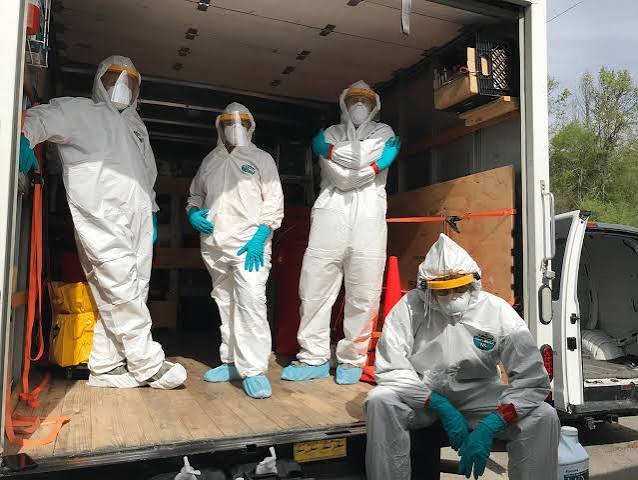
Safety is a central consideration in crime scene cleanup. Depending on the circumstances, professionals may establish restricted work areas, use suitable personal protective equipment, and implement measures designed to prevent contamination from spreading.
These precautions protect cleaning personnel, occupants, visitors, and others who might enter the property. They also help ensure that unaffected areas remain separated from the work zone whenever necessary.
Professional teams follow applicable workplace safety requirements and relevant public health guidance. Their training enables them to recognize situations that require additional expertise or support from other qualified specialists.
Specialized Cleaning and Decontamination
Once appropriate safety measures are established, the team carries out the required cleaning and decontamination work. The methods used depend on the type of contamination, the affected materials, and the condition of the property.
Some surfaces may be suitable for specialized cleaning, while porous or significantly affected materials may require removal. Professionals evaluate these decisions carefully rather than relying on appearance alone.
The goal is to address contamination thoroughly while preserving materials that can be safely restored. Qualified technicians use appropriate products and equipment according to their intended applications and relevant safety instructions.
Waste Handling and Responsible Disposal
Contaminated materials cannot always be treated as ordinary household waste. Depending on the circumstances and local regulations, certain items may require special packaging, transportation, and disposal through authorized channels.
A professional crime scene cleaning service understands the importance of responsible waste management. Appropriate procedures help protect sanitation workers, building occupants, and the wider community.
Property owners should choose providers who can explain their waste-handling practices and demonstrate compliance with the requirements that apply to the specific project.
Final Inspection and Restoration Planning
After the cleaning work is complete, professionals review the affected area to determine whether the agreed scope of work has been addressed. Depending on the project, additional restoration may be necessary.
This could include replacing damaged flooring, repairing walls, restoring fixtures, or addressing persistent odors. Some properties may also require further evaluation by qualified environmental or restoration professionals.
A final inspection helps identify outstanding concerns and provides property owners with a clearer understanding of whether additional work is needed before the space can be used again.
Why Professional Expertise Matters
Attempting to clean a contaminated area without suitable training can create avoidable risks. People may underestimate the extent of contamination, use inappropriate cleaning products, or unknowingly spread contaminants to other parts of a building.
Professional crime scene cleaners bring specialized knowledge that helps address these challenges.
Their expertise offers several important benefits:
- Improved safety: Appropriate protective measures help reduce unnecessary exposure to biological hazards.
- Thorough restoration: Trained technicians evaluate affected materials and select suitable cleaning methods.
- Proper waste management: Specialized teams understand that some contaminated materials require regulated disposal.
- Time efficiency: Experienced professionals can organize the work according to the property’s specific restoration needs.
- Reduced stress: Property owners can rely on trained specialists instead of attempting to manage a challenging cleanup themselves.
- Clear communication: Reputable companies explain the work involved and identify situations that require additional services.
These advantages make professional cleanup a valuable option for residential and commercial properties affected by traumatic incidents.
The Role of Compassion and Confidentiality
Crime scene cleaning is not only a technical service. It often takes place during difficult circumstances involving families, property owners, employees, or other affected individuals.
Professional teams should therefore approach every assignment with discretion, patience, and respect. Their communication should remain clear and considerate, without unnecessary questions or intrusive behavior.
Confidentiality is equally important. Reputable providers should handle customer information responsibly, avoid sharing sensitive details without authorization, and respect the privacy of everyone involved.
A compassionate approach can help reduce the additional burden placed on people already dealing with a challenging event. By focusing on practical solutions and treating clients respectfully, professional cleaners contribute to a more supportive restoration experience.
Choosing the Right Crime Scene Cleaning Company
Selecting a qualified provider is an important step toward safe and effective property restoration. Not every cleaning business has the training, equipment, or procedures needed for specialized contamination cleanup.
Before hiring a company, property owners should consider several factors.
Training and Qualifications
Ask whether technicians receive appropriate training for biological hazard cleanup and whether the company follows applicable occupational safety requirements. Depending on the project and location, relevant certifications or specialized qualifications may also be important.
Experience and Service Scope
Choose a provider with experience handling projects similar to the situation at hand. Confirm that the company offers the services required, whether that involves cleanup, decontamination, odor treatment, or coordination with restoration contractors.
Insurance and Compliance
A reputable company should be able to explain its insurance coverage and demonstrate how it meets applicable legal and safety obligations. These details provide useful information when evaluating the professionalism of a potential provider.
Transparent Pricing
Request a written estimate outlining the anticipated scope of work, expected charges, and any services that may cost extra. Pricing may depend on the affected area, the materials involved, the severity of contamination, and the extent of restoration required.
Clear estimates help property owners compare providers and avoid misunderstandings.
Reviews and Customer Service
Customer feedback may provide insight into a company’s reliability, communication, and professionalism. Look for consistent evidence of respectful service, careful project management, and clear explanations of the restoration process.
Residential and Commercial Applications
A crime scene cleaning service may support different types of properties, including private residences, rental units, offices, retail spaces, and other commercial buildings.
Homeowners may need assistance restoring a room or property following a traumatic incident. Landlords and property managers may require specialized cleanup before a rental unit can be prepared for future occupancy. Businesses may need help addressing contamination in a workplace while coordinating repairs and planning a safe return to normal operations.
In each situation, the appropriate approach depends on the property, the nature of the incident, and the applicable safety requirements.
Professional cleaners may also coordinate with restoration contractors, insurers, property managers, and other qualified service providers. This cooperation can help organize the recovery process and clarify which tasks must be completed before the property can be used again.
The Value of Proper Restoration and Prevention
Effective restoration involves more than removing visible signs of an incident. It requires careful attention to safety, the condition of affected materials, and any remaining concerns that could interfere with the property’s use.
Property owners should follow the cleaning company’s recommendations regarding access restrictions and any additional inspections or repairs. Where necessary, qualified specialists can assess building materials, ventilation systems, or other areas that may require further work.
Keeping documentation of the services performed, materials removed, and repairs completed can also be helpful for insurance claims, property management records, and future maintenance planning.
Although not every incident can be anticipated, knowing which professional services are available can make it easier to respond appropriately when specialized cleanup becomes necessary.
Conclusion
A professional crime scene cleaning service plays an essential role in restoring properties affected by traumatic incidents and potential biological contamination. Through careful assessment, appropriate safety measures, specialized cleaning, responsible waste management, and final inspections, trained professionals help property owners address difficult situations more safely and efficiently.
Choosing a qualified company also provides access to specialized expertise, respectful customer service, and practical guidance throughout the restoration process. Factors such as training, regulatory compliance, insurance, transparent pricing, and experience should all be considered when selecting a provider.
Ultimately, professional crime scene cleaning is about more than restoring the appearance of a property. It is about addressing potential hazards, protecting the people who may use the space, and helping property owners take informed steps toward recovery. With the right team and a responsible restoration plan, affected properties can move closer to safe, appropriate, and reliable use again.