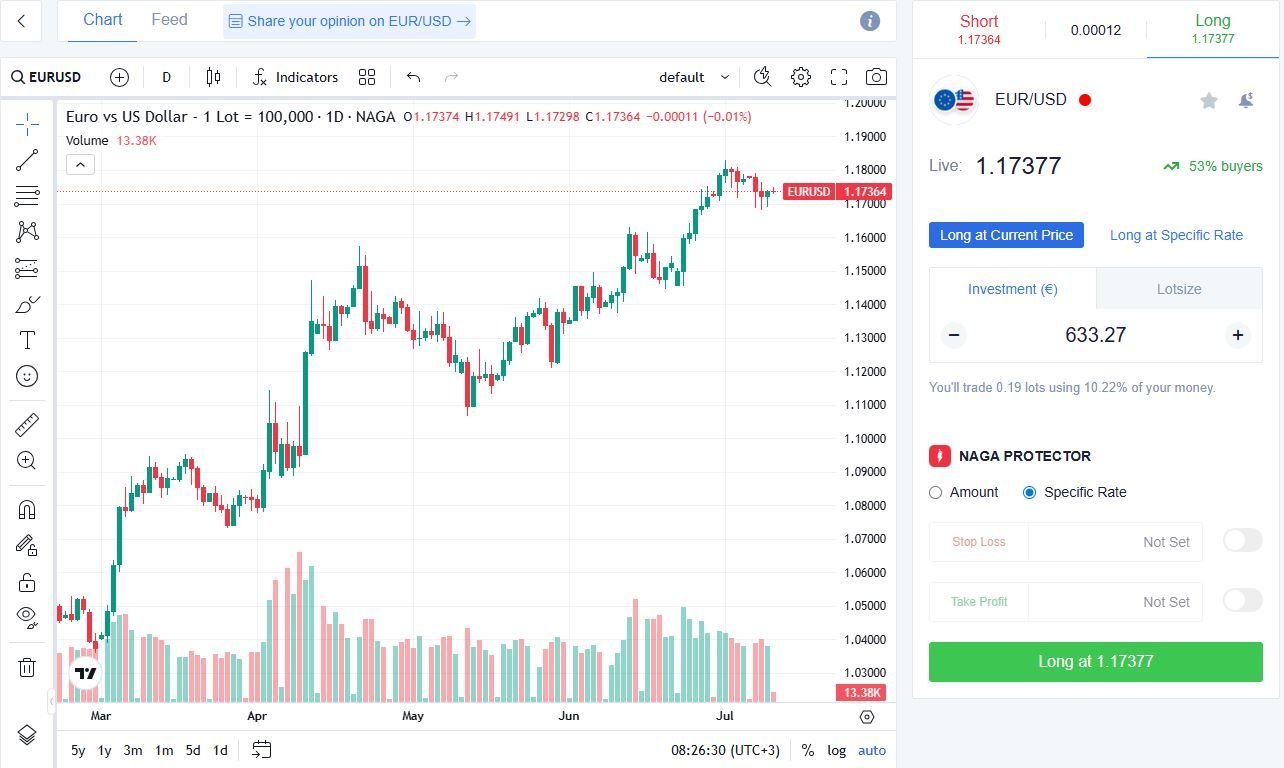
Entering the foreign exchange market requires more than just a solid trading strategy and risk management plan. Your choice of brokerage platform plays a foundational role in determining your overall trading efficiency, execution speed, and cost structure. Because hundreds of retail brokerages operate across various global jurisdictions, conducting a thorough forex broker comparison is an essential first step for both beginner and experienced traders. Finding the right trading partner ensures that your capital remains secure while giving you access to the tools, liquidity, and asset classes necessary to execute your strategy effectively.
Understanding the Core Architecture of Forex Brokers
Before diving into a direct comparison, it is critical to understand how different brokers handle your trades. Brokerage firms generally fall into two primary operating models: Dealing Desk (DD) and No Dealing Desk (NDD).
Dealing Desk (Market Makers)
Dealing Desk brokers typically act as the counterparty to your trades. When you place an order, the market maker may take the opposing position or match it with another client. While this model often offers fixed spreads and reliable execution during standard market conditions, conflict-of-interest concerns can arise if the broker does not manage its risk balance properly.
No Dealing Desk (STP and ECN)
No Dealing Desk brokers pass client orders directly through to external liquidity providers, such as tier-one banks, financial institutions, or prime brokers.
- Straight Through Processing (STP): Orders are routed directly to liquidity providers, with pricing determined by the available bid/ask spreads plus a small markup.
- Electronic Communication Network (ECN): Trades are matched on an electronic network where participants display competing prices. ECN accounts usually feature raw spreads starting at zero pips, accompanied by a fixed commission per lot traded.
When performing a forex broker comparison, evaluating whether an STP or ECN setup aligns with your trading style—such as scalping, day trading, or swing trading—is crucial.
Regulatory Compliance and Fund Protection
Security of funds should always be the single non-negotiable factor when evaluating potential brokers. Unregulated or loosely regulated platforms expose traders to extreme risks, including difficulty withdrawing funds, slippage manipulation, or unannounced insolvency.
Tier-1 Regulatory Bodies
Top-tier regulatory authorities enforce strict operational standards, capital adequacy requirements, and client fund segregation. Key regulatory bodies include:
- FCA (Financial Conduct Authority) – United Kingdom
- CFTC / NFA (Commodity Futures Trading Commission / National Futures Association) – United States
- ASIC (Australian Securities and Investments Commission) – Australia
- BaFin (Federal Financial Supervisory Authority) – Germany
- FINMA (Swiss Financial Market Supervisory Authority) – Switzerland
Negative Balance Protection and Compensation Schemes
A comprehensive forex broker comparison must check whether the platform offers negative balance protection. This feature prevents your trading account from falling below zero during sudden market gap events. Additionally, brokers operating under European or British jurisdictions often participate in investor compensation schemes, protecting client funds up to specified financial limits should the brokerage fail.
Analyzing Trading Costs, Spreads, and Commissions
Trading fees directly impact your net profitability over time. Even small differences in transaction costs can accumulate into thousands of dollars across a high volume of trades.
Variable Spreads vs. Fixed Spreads
Fixed spreads remain constant regardless of market liquidity, offering predictability during volatile news releases. Variable spreads fluctuate based on real-time market conditions; they are often narrower during peak trading hours but can widen significantly during liquidity gaps or major economic announcements.
Hidden Fees and Overnight Rollover Rates
When reviewing fee structures, look beyond standard bid-ask spreads:
- Swap Rates: Fees charged or interest earned for holding positions overnight. Long-term position traders must pay close attention to swap values.
- Inactivity Fees: Fees assessed if an account remains dormant over a specified timeframe.
- Deposit and Withdrawal Fees: Charges associated with funding or transferring money out of your account via bank wire, credit card, or digital wallets.
Trading Platforms, Execution Speed, and Technology
The quality of a broker’s trading infrastructure dictates how fast and accurately your orders are executed. High latency or frequent slippage can derail an otherwise profitable strategy.
Popular Platform Offerings
- MetaTrader 4 (MT4): The industry standard for automated trading, customizable indicators, and algorithmic Expert Advisors (EAs).
- MetaTrader 5 (MT5): An advanced multi-asset platform offering more order types, built-in economic calendars, and superior backtesting capabilities.
- cTrader: Known for its clean user interface, advanced depth-of-market (DOM) visualization, and fast execution for ECN trading.
- Proprietary Web and Mobile Apps: Custom platforms developed by brokers to deliver simplified user interfaces or proprietary charting tools.
Order Execution Efficiency
A proper forex broker comparison measures execution speed, order fill rates, and slippage frequency. Low-latency execution is particularly vital for news traders and automated strategies operating on small timeframes.
Account Types, Leverage, and Minimum Deposits
Brokers cater to a wide range of capital levels and trading requirements by offering multiple account tiers.
Flexible Leverage Options
Leverage allows traders to control larger positions with a smaller upfront margin. While leverage amplifies potential gains, it equally multiplies potential losses. Tier-1 regulators limit leverage for retail traders (often capped between 1:30 and 1:50), whereas brokers under secondary jurisdictions may offer leverage up to 1:500 or higher. Choosing an appropriate leverage structure is a essential element of effective risk management.
Account Diversity
- Micro/Cent Accounts: Ideal for beginners testing strategies with real capital while minimizing risk.
- Standard Accounts: Typically spread-based with zero commissions, suited for general retail traders.
- VIP/Institutional Accounts: Feature lower commission rates and dedicated account management for high-volume traders.
Customer Support and Educational Resources
Reliable customer support ensures technical glitches or funding queries are resolved promptly. When making a forex broker comparison, test the responsiveness and knowledge of customer service representatives through live chat, phone, or email prior to depositing capital.
Furthermore, brokers that provide comprehensive educational suites—including webinars, technical analysis articles, market updates, and structured courses—demonstrate a commitment to client retention and success.
Final Checklist for Choosing Your Forex Broker
Selecting the right trading partner requires balancing multiple key factors against your specific trading goals:
- Verify Regulatory Credentials: Confirm registration numbers directly on the regulator’s official database.
- Test Demo Accounts: Assess platform stability, order execution speed, and charting tools in real-time market conditions.
- Compare Total Cost Structure: Account for spreads, commissions, swap fees, and potential withdrawal charges.
- Evaluate Funding Methods: Ensure safe, accessible, and fast deposit and withdrawal channels.
- Review Customer Service: Confirm availability during major trading sessions (24/5 coverage).
By conducting a thorough and objective forex broker comparison, you place your trading business on a secure footing, giving yourself the operational foundation needed to navigate the dynamic global currencies market.