Introduction
The digital media industry has changed significantly over the past decade, creating new ways for people to share information, entertain audiences, and build online communities. Among casino deposit volume the most influential developments is the growth of online streaming. From gaming broadcasts and live discussions to educational sessions and creative performances, streamers are transforming how people consume digital content. Platforms such as YouTube, Twitch, TikTok, and Facebook allow creators to communicate with viewers in real time and develop audiences from different parts of the world.
Online streaming is no longer limited to entertainment. It has become an important part of digital marketing, education, business communication, and independent content creation. As technology continues to improve, streamers are opening new opportunities for individuals, companies, and the wider media industry.
1. Making Content Creation More Accessible
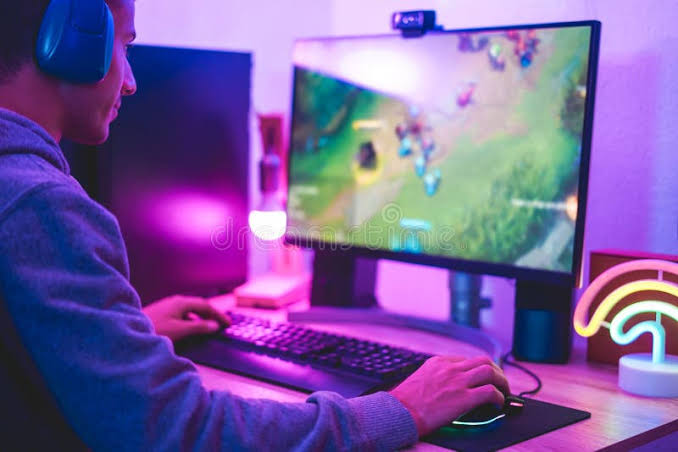
One of the most important benefits of online streaming is that it makes content creation more accessible. Traditional media production often requires expensive equipment, professional studios, and access to established broadcasting networks. Online streaming provides an alternative that allows individuals to begin with relatively simple tools, including a computer or smartphone, a stable internet connection, and suitable streaming software.
This accessibility gives aspiring creators the opportunity to share their interests, skills, and ideas without depending on traditional media organizations. Someone interested in gaming, cooking, technology, music, or education can create content for a specific audience and gradually improve their production quality.
Independent creators can also experiment with different formats. They might organize live question-and-answer sessions, demonstrate practical skills, review products, or discuss current trends. This flexibility encourages creativity and allows new voices to enter the digital media industry.
2. Creating New Career Opportunities
Online streaming has introduced career paths that were uncommon before digital platforms became popular. People can develop professional identities as streamers, content producers, live presenters, video editors, community managers, and digital marketing specialists.
Successful streaming channels often require more than one person. Creators may collaborate with graphic designers, moderators, social media managers, scriptwriters, sound technicians, and video editors. As channels expand, they can create work for professionals with different skills.
Streaming can also support careers in specialized fields. For example, a technology enthusiast may build an audience by explaining new devices, while a fitness instructor can offer educational sessions about exercise and healthy habits. Artists can demonstrate creative techniques, and language teachers can conduct interactive learning sessions.
These opportunities allow people to combine professional knowledge with digital communication. Although building a sustainable career takes time and effort, streaming provides another route for people who want to develop their skills and reach audiences beyond traditional employment settings.
3. Developing New Revenue Streams
Monetization is another reason online streaming has become an important part of digital media. Depending on the platform, creator eligibility, and local rules, streamers may earn revenue through advertising, paid subscriptions, viewer contributions, sponsorships, merchandise, and affiliate marketing.
Advertising can provide income when channels attract sufficient eligible views. Subscription programs may allow dedicated viewers to support creators in exchange for additional content or community features. Sponsorships enable businesses to work with creators whose audiences match their products or services.
Some streamers also develop independent businesses around their content. They may sell digital products, provide consulting services, offer online classes, or promote their own merchandise.
However, earnings are not guaranteed. Revenue can fluctuate according to audience engagement, platform policies, advertiser demand, and changes in popularity. Creators who want long-term stability should focus on delivering useful content, building trust, and developing more than one appropriate source of income.
4. Helping Businesses Reach Target Audiences
Online streamers are becoming valuable partners for businesses that want to communicate with specific audiences. Traditional advertising often delivers a message to a broad group of people, while streamers can connect brands with communities built around particular interests.
For example, a gaming streamer may introduce gaming accessories to interested viewers, while a technology creator can demonstrate the features of a new device. A cooking streamer might showcase kitchen equipment during a recipe demonstration.
Live streaming also allows audiences to ask questions and receive immediate responses. This interaction can help customers understand products before making purchasing decisions.
Businesses can benefit from collaborating with creators who have relevant audiences and a credible reputation. Rather than focusing exclusively on follower numbers, companies should consider audience engagement, content quality, and the creator’s relationship with viewers.
Successful partnerships depend on transparency. Sponsored content should be clearly disclosed, and creators should avoid making misleading claims about products. Honest communication helps protect audience trust and supports stronger relationships between businesses and potential customers.
5. Building Interactive Online Communities
Unlike many traditional media formats, live streaming encourages two-way communication. Viewers can comment, ask questions, participate in polls, and respond to discussions while a broadcast is taking place.
This interaction helps transform passive viewing into a shared experience. Audiences may return regularly because they appreciate the content, enjoy conversations with other viewers, or feel connected to a particular community.
Streamers can create welcoming spaces around common interests, including gaming, education, art, sports discussions, and technology. These communities can also help creators understand audience preferences and improve future broadcasts.
Community management remains important as audiences grow. Clear rules, respectful communication, and effective moderation can reduce harassment and inappropriate behavior. Creators should also establish healthy boundaries regarding personal information and the time they spend interacting with viewers.
When managed responsibly, online communities can become valuable spaces for collaboration, learning, and creative exchange.
6. Expanding Educational and Professional Content
Streaming is creating new opportunities in education by making information more interactive and accessible. Teachers, trainers, industry professionals, and independent educators can use live broadcasts to explain complicated topics, demonstrate procedures, and answer questions.
For example, a programming instructor can solve sample problems during a live session, while a language teacher can conduct conversational practice. Business professionals can discuss industry developments, and artists can demonstrate their creative processes.
Recorded broadcasts may also be available for later viewing, allowing learners to revisit important information at a convenient time. This combination of live interaction and reusable content can support different learning preferences.
Businesses can use streaming for product demonstrations, employee training, virtual conferences, and customer support. These applications can reduce geographical barriers and make professional information available to distributed teams and international audiences.
Although streaming cannot replace every form of education or training, it offers an additional way to share expertise and encourage participation.
7. Supporting Global and Cultural Exchange
Online streaming allows creators to reach people far beyond their local communities. A musician can perform for international viewers, a gamer can connect with players from different countries, and a cultural educator can introduce audiences to regional traditions.
This global reach creates opportunities for collaboration between creators who might otherwise never meet. Joint broadcasts, interviews, online events, and multilingual content can introduce audiences to new perspectives.
Streaming can also help smaller creators find audiences for specialized interests. Instead of relying entirely on local demand, they can connect with people around the world who share similar interests.
However, international communication requires cultural awareness. Creators should respect different customs, avoid stereotypes, and consider language barriers when planning their content. These efforts can make digital communities more inclusive and improve cross-cultural understanding.
8. Encouraging Innovation in Digital Media
The growth of streaming is encouraging innovation in content formats, production tools, and audience experiences. Improved mobile devices, faster internet connections, interactive overlays, and accessible editing software allow creators to produce increasingly engaging broadcasts.
Some creators combine live streaming with short-form videos, podcasts, newsletters, and recorded tutorials. This approach helps them distribute content across several channels while reaching audiences with different viewing habits.
Artificial intelligence tools may also support tasks such as generating captions, organizing recordings, and identifying useful moments for short clips. Nevertheless, creators should review automated outputs for accuracy and respect privacy, copyright, and platform policies.
As the industry develops, creators who learn new tools and adapt to audience needs may discover additional opportunities. Experimentation and continuous improvement remain important in a competitive digital environment.
9. Understanding the Challenges of Streaming
Despite its advantages, online streaming comes with several challenges. Competition can make it difficult for new creators to attract attention, while irregular income may create financial uncertainty. Platform algorithms and policy changes can also affect audience reach.
Maintaining a consistent publishing schedule requires planning, and frequent broadcasting can become exhausting. Creators may face negative comments, privacy concerns, copyright disputes, or pressure to share more personal information than they feel comfortable revealing.
A sustainable approach includes setting realistic goals, protecting personal information, learning relevant platform rules, and maintaining a healthy balance between online work and other responsibilities. Streamers should also avoid purchasing fake engagement or using deceptive tactics to increase their apparent popularity.
Building a loyal audience generally requires patience, originality, and reliable communication rather than overnight success.
Conclusion
Online streamers are creating new opportunities throughout the digital media industry. They are making content creation more accessible, introducing alternative career paths, developing new revenue models, supporting business marketing, and building interactive communities. Streaming is also expanding access to education and encouraging communication between people from different cultures.
At the same time, long-term success depends on creativity, responsible behavior, adaptability, and audience trust. As digital platforms and streaming technologies continue to evolve, individuals and businesses will have more ways to share knowledge, promote ideas, and connect with global audiences.
Ultimately, online streaming represents more than a modern entertainment format. It is an expanding part of digital communication that allows people to develop skills, explore professional possibilities, and participate in a more connected media environment.